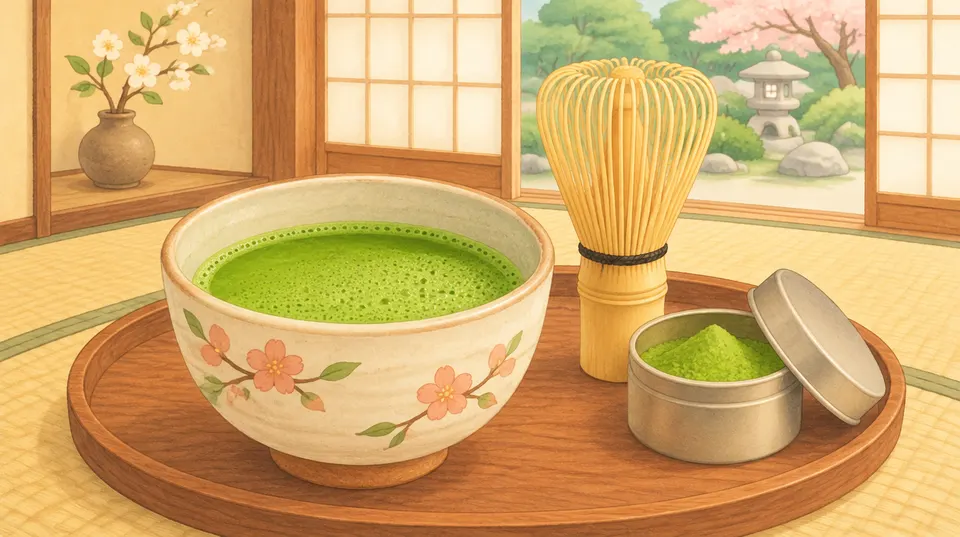
🍵 MatchaPowdered green tea
What it is: green tea leaves grown in the shade, steamed and dried without rolling (tencha), then ground into a fine powder.
- 🇺🇸 Flying to the US from Japan: powders over 350 mL (12 oz) in your carry-on get extra screening. If they can’t be cleared, they can’t go in the cabin. TSA suggests packing powders in checked bags.
- 🇺🇸 Bringing it into the US: tea made only from tea leaves (green tea included) has no quantity limit, but you must declare it when you arrive. Mixes with milk or sugar are not “only tea leaves” — check the USDA page.
- 🌏 Other countries: check your own country’s customs rules for tea before you fly home.
🍱 EkibenTrain station bento
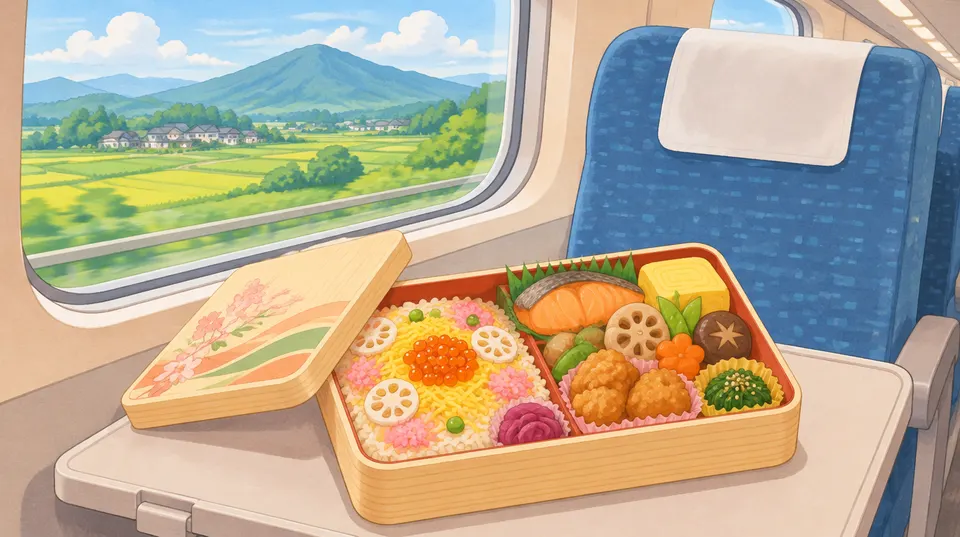
What it is: boxed meals sold at train stations, often made with local food, for eating on long train rides.
- 🚄 Eating on the Shinkansen and long-distance limited express trains is normal. On crowded local trains, it’s better not to eat.
- 🚄 Tokaido Shinkansen (Tokyo–Nagoya–Kyoto–Osaka): the food cart ended on 31 October 2023, and there are no food sales in Standard Class. Buy before you board. In the Green Car of Nozomi and Hikari, you can order from your seat with your smartphone.
- 🚄 Tohoku Shinkansen: bento and sandwiches are not sold on board (JR East FAQ, August 2024).
♨️ OnsenHot spring baths
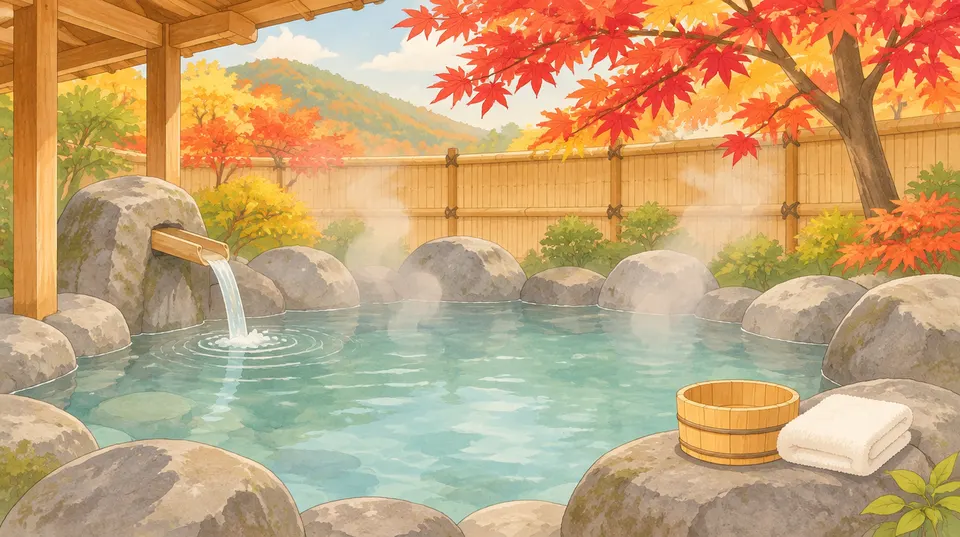
What it is: hot spring baths, usually shared and separated by gender. You bathe without clothes.
- 🖋️ Tattoos: each place decides. In 2016 the Japan Tourism Agency told hotel and hot spring associations that turning guests away only because of tattoos is not appropriate, and listed options such as covering stickers and private baths.
- ✅ Before you go: ask the place, cover a small tattoo with a waterproof plaster, or book a private bath (kashikiri-buro).
- 🧼 Manners: wash your body with soap before you get in, and keep your towel out of the water.
🏪 KonbiniConvenience stores
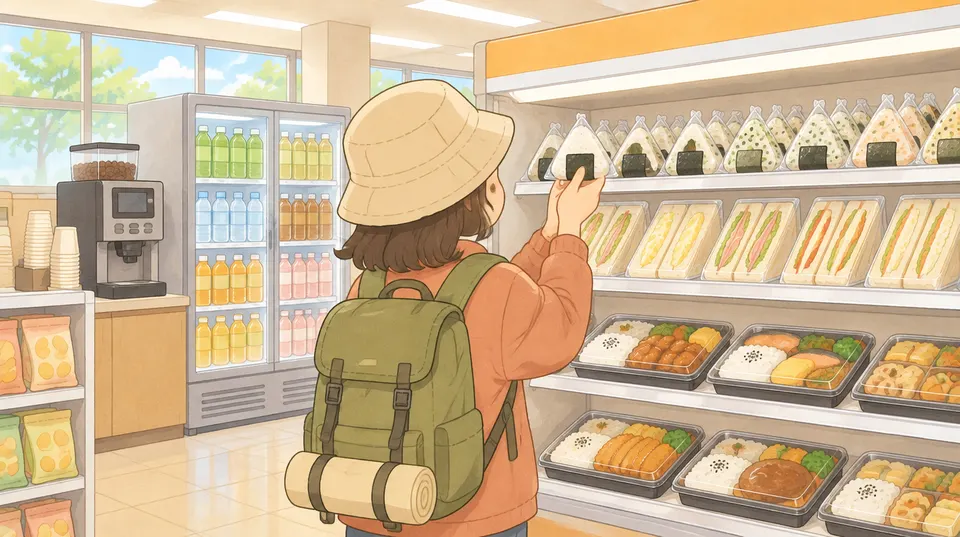
What it is: Japan’s convenience stores, found everywhere. Meals, snacks and drinks, plus ATMs, printing, paying bills and buying tickets.
- 💴 Many have ATMs that take foreign cards (mainly 7-Eleven in cities), and some have an eat-in corner.
- 📦 You can have Amazon Japan orders sent to a convenience store for pickup.
🎁 OmiyageSouvenirs to share
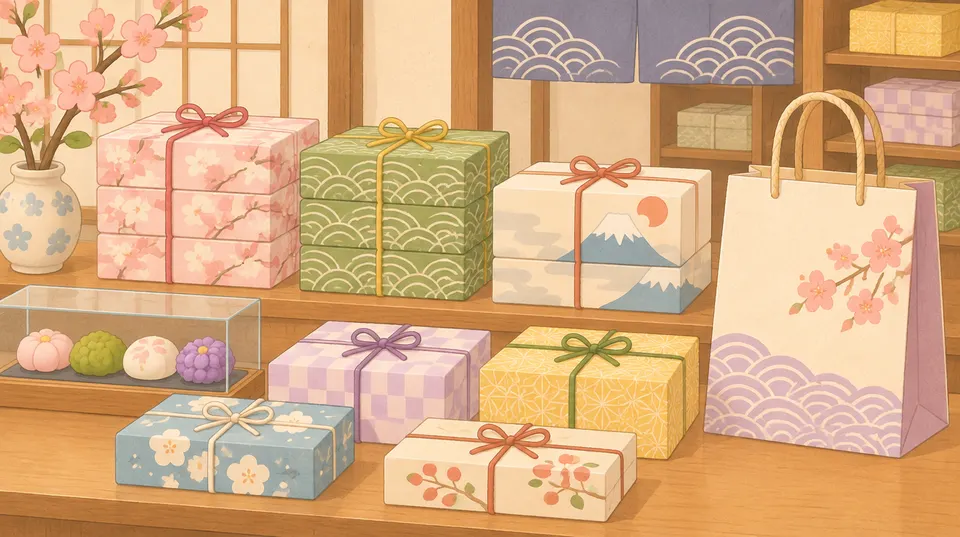
What it is: souvenirs, often snacks, that people bring back for family, friends and co-workers. How a gift is wrapped and given can matter as much as what is inside.
- 🛃 Bringing food home? Your own country’s customs rules decide what you can take in.
🍶 SakeRice wine
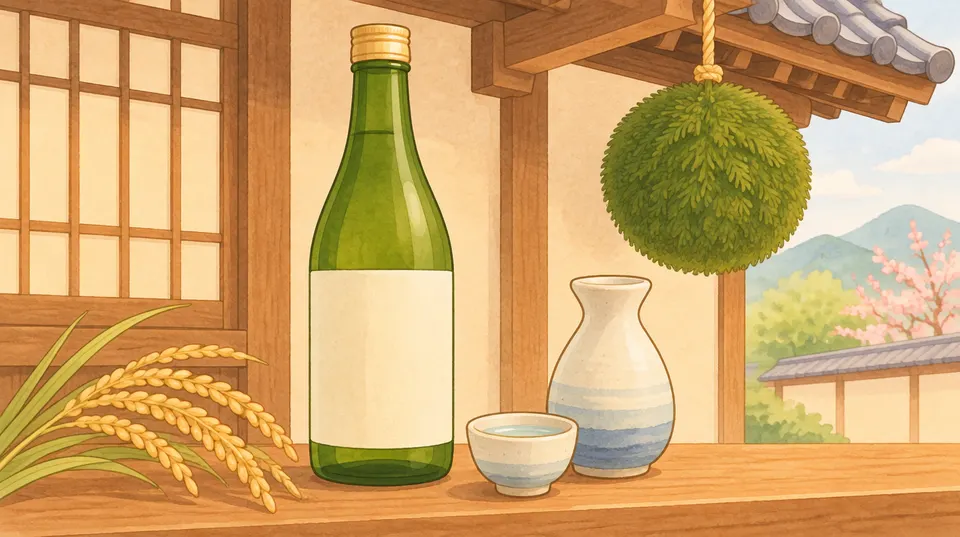
What it is: Japanese rice wine, brewed from rice, rice koji and water. In Japanese, “sake” means alcohol in general; this drink is nihonshu. Most is around 15% alcohol.
- 🧴 Carry-on (international flights from Japan): liquids in containers of 100 mL or less, in one clear bag of up to 1 L per person. Duty-free sake bought after security can go in the cabin, but it may be taken away if you change planes in another country.
- 🧳 Checked bags (Japan’s rules): up to 24% alcohol — no quantity limit. Over 24% up to 70% — up to 5 L per person. Over 70% — not allowed.
- 🛃 How much you can bring home tax-free is set by your own country’s customs.
💳 SuicaIC card for trains
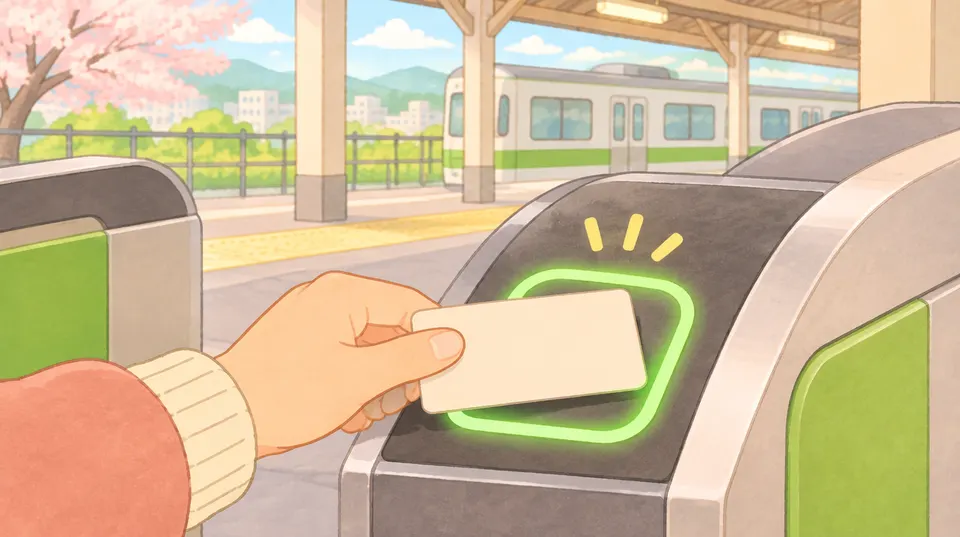
What it is: a prepaid IC card. Tap it for trains and buses, and pay at some convenience stores and vending machines. Other regions have their own cards, and they work across Japan.
- 🪙 Most IC cards need a 500-yen deposit. Welcome Suica and TOURIST PASMO, made for visitors, are sold without one.
🧣 FuroshikiWrapping cloth
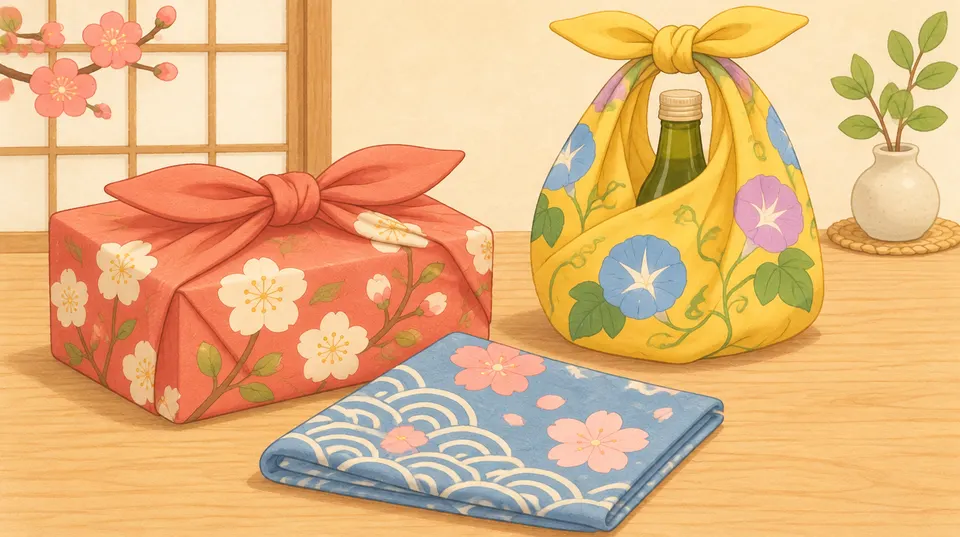
What it is: a square cloth for wrapping and carrying things — gifts, bento boxes, bottles.
- 👜 Tie the corners and it becomes a reusable bag. No travel rules apply.
🥤 Vending machinesDrinks on every corner
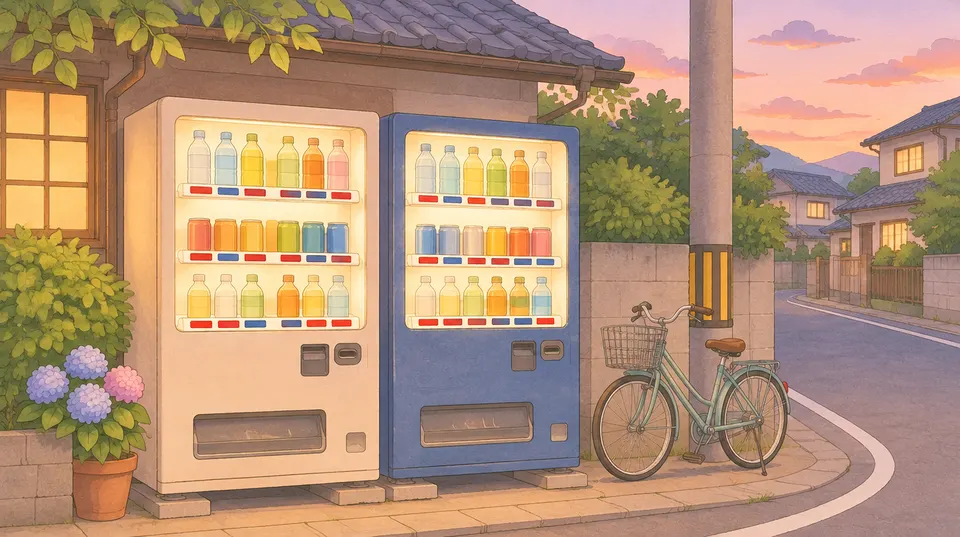
What it is: unstaffed machines on streets and in stations, mostly selling drinks. In cold months many sell hot drinks too — a red label means hot, a blue label means cold.
- 🍺 Alcohol: you must be 20 or older to drink in Japan. The National Tax Agency asks sellers to use machines that can check age (7,581 alcohol vending machines across Japan on 1 April 2026).
- 🚬 Cigarettes: taspo, the age-check card for cigarette machines, ended on 31 March 2026.
🚻 ToiletsButtons and bidets
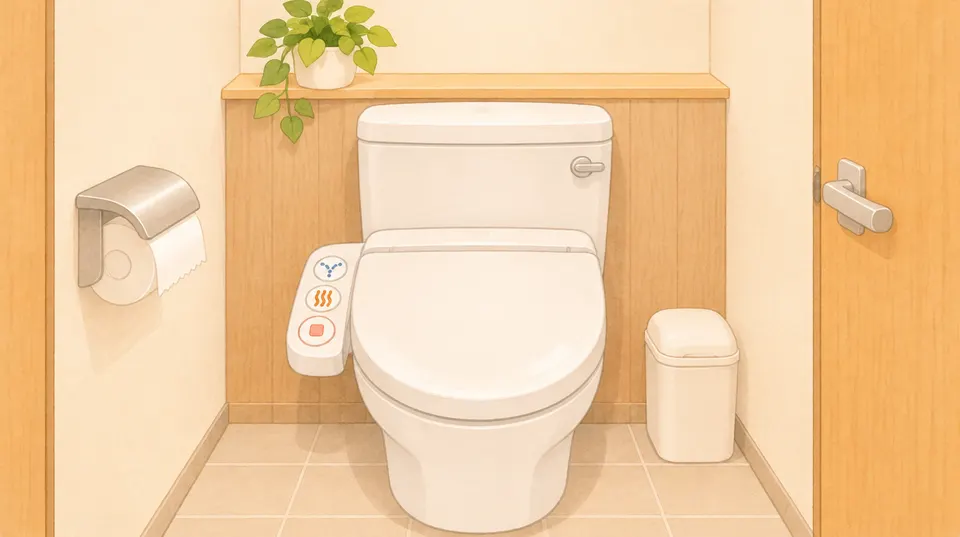
What it is: many toilets have a heated seat and a built-in bidet, with buttons for washing, drying and a flushing sound.
- 🧻 Flush only toilet paper. Put sanitary products in the bin next to the toilet.
- 🔘 Flushing works differently by toilet: a lever, a button on the wall, a hand sensor or a remote panel.
- 🚨 The call button near the flush button is for emergencies only — if you feel unwell.
Sources
- MAFF: types of green tea (Japanese)
- TSA: What is the policy on powders?
- USDA APHIS: coffee, teas, honey, nuts and spices
- JNTO: Japan’s local ekiben culture
- JR Central: new on-board services on the Tokaido Shinkansen (8 August 2023, Japanese)
- JR Central: Shinkansen guide
- JR East FAQ: on-board sales on the Tohoku Shinkansen (Japanese)
- Japan Tourism Agency: notice on foreign visitors with tattoos (16 March 2016, Japanese, as posted by Shizuoka Prefecture)
- Japan Tourism Agency: points and examples for guests with tattoos (Japanese)
- JNTO: Japanese manners and etiquette
- JNTO: How to get the most out of konbini
- JNTO: Japan’s gifting culture
- National Tax Agency: Nihonshu / Japanese Sake
- JNTO: Sake 101
- MLIT: items restricted in carry-on and checked baggage (updated 24 April 2026, Japanese)
- MLIT: liquids on international flights (Japanese)
- JNTO: IC travel cards
- Tokyo Metropolitan Government: One cloth, a thousand ways of using it (PDF)
- JNTO: Keeping warm like a local in Japan (hot drinks in vending machines)
- National Tax Agency: alcohol vending machines as of 1 April 2026 (Japanese)
- taspo: end of service (Japanese)
- Japan Restroom Industry Association: using the toilet
Checked on 8 November 2026.